Most of us have heard the word "overdose" for years. It comes up in the news and in conversations we’d rather not have. Many of us know it happens far too often and that it can be deadly, but few of us could explain what one actually is, what it looks like, or what we would do if we saw one.
That gap has real consequences. According to CDC data, an estimated 69,973 people in the United States died of a drug overdose in 2025. Every one of those losses was someone's child, parent, sibling, or friend. When bystanders don't recognize the signs, they may assume a person is just sleeping it off, wait too long to call for help, or freeze in the minutes that matter most.
Rise Recovery's roots in San Antonio go back to 1977, and our team includes peer recovery specialists with lived experience who understand substance use disorder from the inside. We created this guide to give you clear, practical information on what an overdose is, why it happens, how to spot one, and exactly what to do. If anything here raises questions about someone you love, don’t hesitate to reach out.
What Is an Overdose?
Anyone who uses substances, including someone trying something for the first time, can experience an overdose. They happen when a person takes more of a substance, or a combination of substances, than their body can safely handle.
What that looks like depends on the substance. During an opioid overdose, breathing can slow dangerously or stop, cutting off oxygen to the brain and leading to brain damage or death within minutes. Alcohol and sedatives such as benzodiazepines also slow breathing, and the risk climbs sharply when they are combined with opioids.
Stimulants like cocaine and methamphetamine push the body in the opposite direction. They overwork the heart and raise body temperature, which can lead to seizures, a heart attack, or a stroke.
Why Do Overdoses Happen?
Overdoses rarely come down to a single bad decision. Several common factors raise the risk, and many of them are invisible to the person using them.
Hidden fentanyl in other drugs. Fentanyl is a synthetic opioid many times stronger than morphine, and it is often mixed into other drugs without the buyer knowing. You can't see, smell, or taste it, and the amount varies from pill to pill in the same batch, so a person who has used it before without problems can still overdose.
Taking more before the first dose takes effect. Some substances, especially pills taken by mouth, take time to kick in. A person who feels nothing at first may take more, and once both doses take hold, the combined amount overwhelms the body.
Mixing substances. Combining opioids with alcohol or benzodiazepines makes it much harder to breathe. Mixing opioids with stimulants also raises the risk.
Lower tolerance after a break. After time away from a substance, the body loses its tolerance. Using the same amount as before can then cause an overdose. A previous overdose also increases the risk of another.
Using alone. When no one else is present, there is no one to call 911 or administer naloxone.
How to Spot the Signs of an Overdose
Signs of an opioid overdose may include:
Very small, "pinpoint" pupils
Falling asleep, losing consciousness, or not responding when you shout or shake them
Slow, weak, or stopped breathing
Choking, gurgling, or snoring sounds
A limp body
Cold, clammy skin
Pale, blue, or gray lips and fingernails
Signs of a stimulant overdose may include:
Hot, flushed, or sweaty skin
Chest pain or a racing, irregular heartbeat
Severe agitation, panic, paranoia, or hallucinations
Confusion or disorientation
Rigid muscles, tremors, or seizures
Trouble breathing
It can be hard to tell whether someone is high or overdosing. If you aren't sure, treat it as an overdose.
What to Do If Someone Is Overdosing
Try to wake them. Shake their shoulders and call their name loudly.
Call 911. Say the person is unresponsive or not breathing, and give the exact address. If someone else is with you, have them call while you do the next step.
Give naloxone (Narcan) if you have it. Spray one dose into one nostril. If the person doesn't respond within two to three minutes, give a second dose in the other nostril. Strong opioids like fentanyl sometimes need multiple doses.
Help them breathe. If you're trained, begin rescue breathing or CPR. Otherwise, roll the person onto their side so they won't choke.
Stay until help arrives. Naloxone wears off, and overdose symptoms can return, so the person still needs medical care even if they wake up.
Naloxone only reverses opioids, but it is safe to give even if you aren’t sure what the person took. Because fentanyl is often mixed into stimulants and other drugs, give it to anyone who is unresponsive or struggling to breathe. For someone showing stimulant overdose signs, call 911, move them somewhere quiet and cool, and clear away anything they could hit if they have a seizure.
Fear of legal trouble keeps some people from calling for help. Texas law offers a limited legal defense to people who call 911 for a possible overdose, stay on the scene, and cooperate with responders. It has conditions and doesn't provide full immunity, but a person's life comes first. Always make the call.
How Rise Recovery Can Help
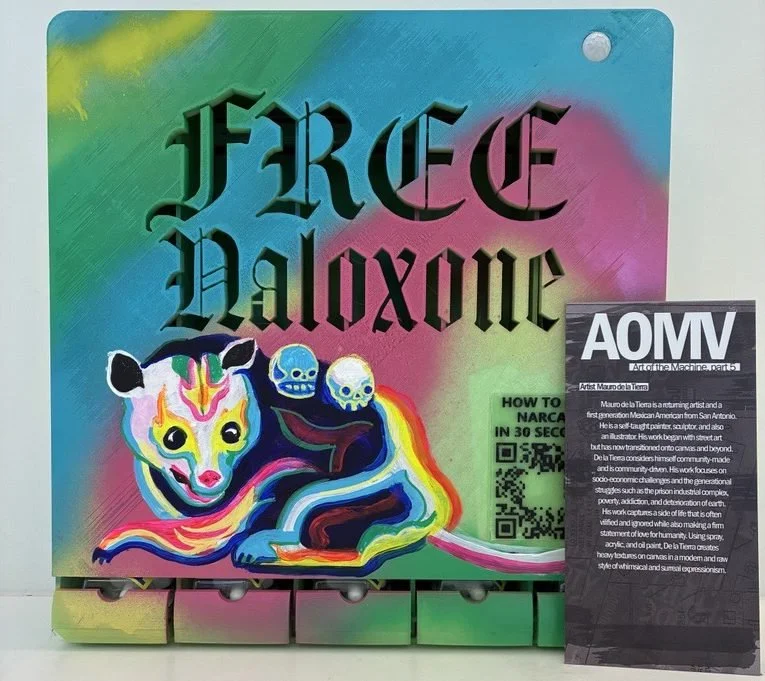
The best time to get naloxone is before you need it. Rise Recovery offers a free Narcan vending machine in the lobby of our campus. Keep a dose in your car, your bag, or your first aid kit. Naloxone nasal spray is also sold over the counter at pharmacies.
An overdose is often a sign that someone needs ongoing support. Rise Recovery serves young people, adults, and families across Bexar County through peer recovery support, family programs, telehealth, school-based services, and Rise Inspire Academy, our recovery high school. Our youth and family peer support services are available at no cost, and our staff with lived recovery experience meet people with understanding instead of judgment.
If you're worried about someone's substance use, or about your own, you don't need to have it all figured out before seeking help. Contact Rise Recovery today to talk to someone about recovery support.
If someone is overdosing right now, call 911.